
Practical Tips and Proven Strategies to Help You Overcome Back Pain

Back pain affects millions of people every year, and if you are dealing with it right now, you know how quickly it can take over your life. It limits your workday, interrupts your sleep, slows down your workouts, and turns even simple things like bending, lifting, or sitting into a challenge. The good news is that most back pain is treatable, and with the right guidance, you can get back to moving comfortably and confidently again.
This complete guide breaks down the real causes of back pain, the most common patterns we see in the clinic, how to ease the discomfort at home, and when it is time to get expert help. Whether your goal is to get through your workday without stiffness, return to lifting at the gym, run pain-free, or simply wake up without that nagging ache, this article will help you understand your body and take the right steps toward healing.
Why Back Pain Is So Common
Your back works every moment you’re awake. It supports your posture, allows you to twist, bend, lift, stand, sit, and stabilize your entire body. Because it works so hard, it becomes vulnerable when one part of the system becomes overloaded.
Most people with back pain don’t experience it from a single traumatic moment. Instead, the pain builds over time from everyday habits and movement patterns — sitting for long hours, lifting incorrectly, weak core support, stress, or stiffness in the hips.
Back pain becomes especially common for:
- Desk workers who sit for 6–10 hours a day
- Parents lifting children repeatedly
- Active adults who push themselves in the gym without proper mobility
- People who stand all day for their job
- Athletes and weekend warriors
- Adults over 40 who naturally lose stability and flexibility
Understanding the source of the pain is the key to getting lasting relief.
The Most Common Types of Back Pain
Back pain shows up in different ways, and each pattern points to a different cause. Here are the most common types we see:
1. Muscle Strain
This is one of the most frequent causes of pain. A muscle strain happens when the muscles of the lower or upper back become overloaded, overstretched, or fatigued.
Symptoms include:
- A tight, pulling sensation
- Pain with bending or lifting
- Feeling “locked up” after activity
2. Sciatica
Sciatica happens when the sciatic nerve becomes irritated. The pain often starts in the lower back or hip and travels down the leg.
Common signs:
- Sharp, shooting pain
- Numbness or tingling
- Pain that worsens when sitting
3. Herniated or Bulging Disc
Discs act like shock absorbers between the vertebrae in your spine. When they bulge or herniate, they can irritate nearby nerves.
Symptoms include:
- Pain when bending
- Pain that radiates into the hips or legs
- Stiffness in the lower back
4. Joint Stiffness (Facet Joint Pain)
The small joints in your spine can become compressed or irritated.
Symptoms:
- Pain with twisting
- Back tightness after sitting
- A feeling of “pressure” in the spine
5. Posture-Related Pain
Your body isn’t designed to sit hunched over screens all day. When your posture shifts, your spine takes the load.
You may notice:
- Mid-back burning
- Neck stiffness
- Lower-back fatigue toward the end of the day
Why Your Back Pain Isn’t Going Away
Many people try to wait out their back pain, hoping it will go away with rest. Sometimes it does — but if pain keeps coming back, it is usually because the underlying issue hasn’t been addressed.
Here are the most common reasons back pain lingers:
1. Resting too much
Rest helps in the first 24–48 hours, but too much rest weakens the muscles that protect your spine.
2. Only treating symptoms, not the cause
Heat, medication, massage, and stretching help temporarily, but they don’t fix the movement patterns causing the problem.
3. Not strengthening the right muscles
Weak glutes, weak core muscles, and stiff hips force your back to overwork.
4. Sitting or standing with poor posture
Even with perfect exercises, your back can still hurt if your daily posture puts pressure on your spine.
5. Returning to activity too quickly
Going back to heavy lifting or long runs before your back is ready often leads to re-injury.
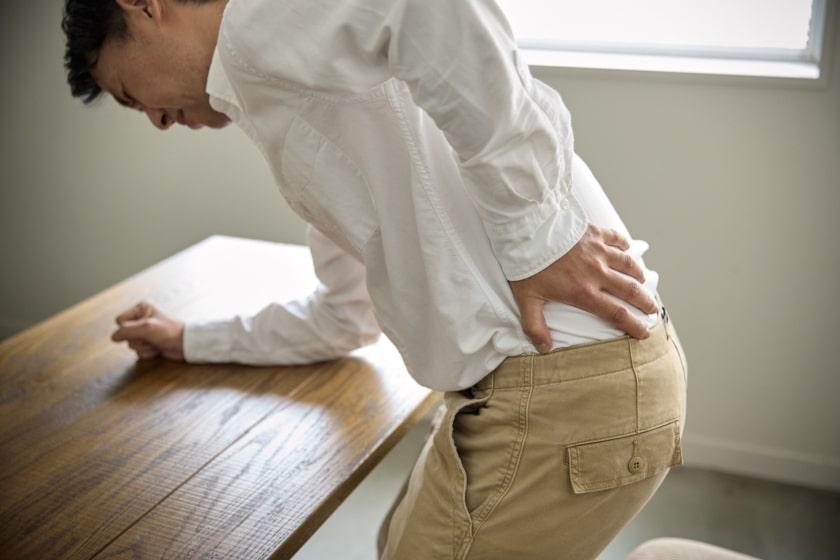
How Stress Impacts Back Pain
Many people are surprised to learn that stress has a direct connection to back pain. When you’re stressed, your nervous system becomes more sensitive to pain, and your muscles automatically tense up — especially in the lower back and shoulders.
If your life feels busy, overwhelming, or rushed, your back may be carrying more than just physical tension.
Effective At-Home Tips to Reduce Back Pain
While expert guidance gives you the fastest results, there are simple strategies you can start using today to lower pain and stiffness.
1. Use Heat to Relax Muscles
A heating pad or warm shower helps reduce muscle tightness and increases circulation.
2. Practice Gentle Mobility
Movements like cat-cow, pelvic tilts, or child’s pose help improve mobility and decrease stiffness.
3. Strengthen Your Core
Your core supports your spine. Exercises like dead bugs, bird dogs, and glute bridges can make a dramatic difference.
4. Break Up Long Sitting Time
Stand up every 30–45 minutes. Even 60 seconds of movement helps reset your posture.
5. Improve Your Sleep Position
- Side sleepers: place a pillow between your knees
- Back sleepers: use a pillow under the knees
Avoid sleeping on your stomach, which stresses the spine.
6. Avoid Heavy Lifting Until Pain Decreases
Give your back time to settle before returning to strenuous activity.
When You Should See an Expert
If your pain has lasted longer than two weeks, keeps coming back, or is getting worse, it’s time to get professional help. A back pain specialist can pinpoint what’s wrong and guide you with a customized plan.
Here are signs you should get help:
- Pain that radiates into your leg
- Numbness or tingling
- Pain that worsens when sitting
- Trouble bending or lifting
- Pain interfering with daily activities
- Stiffness first thing in the morning
- A “locking up” feeling in your lower back
The sooner you address the problem, the easier it is to fix.
How Expert Treatment Helps You Recover Faster
Back pain treatment is most effective when it focuses on both the source of the pain and the way your body moves.
A trained specialist will work on:
1. Improving Mobility
Hands-on techniques help reduce stiffness in the joints and muscles.
2. Reducing Inflammation
This lowers pain and irritation in the nerves and tissues.
3. Strengthening Weak Areas
Strengthening the glutes, core, and hips takes pressure off the back.
4. Re-training Proper Movement
Learning how to sit, stand, lift, and bend correctly prevents recurring pain.
5. Creating a Personalized Plan
No two cases of back pain are the same. A tailored approach delivers faster results.
Preventing Back Pain Long Term
Once your pain improves, you can keep your back strong and healthy by building simple habits into your routine.
Here’s what works best:
- Stay active daily
- Maintain core and glute strength
- Stretch tight hip flexors and hamstrings
- Keep good sitting posture
- Use a supportive chair
- Lift with your legs, not your back
- Prioritize recovery after workouts
- Manage stress levels
Back pain isn’t something you “just have to live with.” Small changes make a big difference when done consistently.
Taking the Next Step
Fall is a season of change—and a perfect opportunity to focus on movement and health. Whether it’s preparing for travel, easing into new routines, or finding natural solutions for back and joint discomfort, support is available.
👉 Start with a Free Discovery Visit at Physical Therapy Specialties. It’s the first step toward understanding what’s happening in your body and exploring the therapies that can help.
📞 Call us today at (925) 417-8005 to schedule your visit and see how physical therapy, regenerative care, and water-based therapies can help you move confidently into the season ahead.
Final Thoughts
Back pain isn’t something you have to live with, and it’s rarely something that “just happens with age.” With the right plan, you can get out of pain, move confidently again, and get back to doing the things you love.
If you’d like help figuring out the root cause of your back pain and what you can do to finally fix it, let me know—I can write the call-to-action or landing-page section next.